Dermalux LED Phototherapy
Dermalux LED phototherapy is a non-invasive, non-thermal treatment that uses clinically proven wavelengths of light — Blue (415 nm), Red (633 nm) and Near-Infrared (830 nm) — to energise skin cells through a process called photobiomodulation. It boosts collagen production, calms inflammation, targets acne-causing bacteria and accelerates healing. It is safe for all skin types, pain-free and requires no downtime.
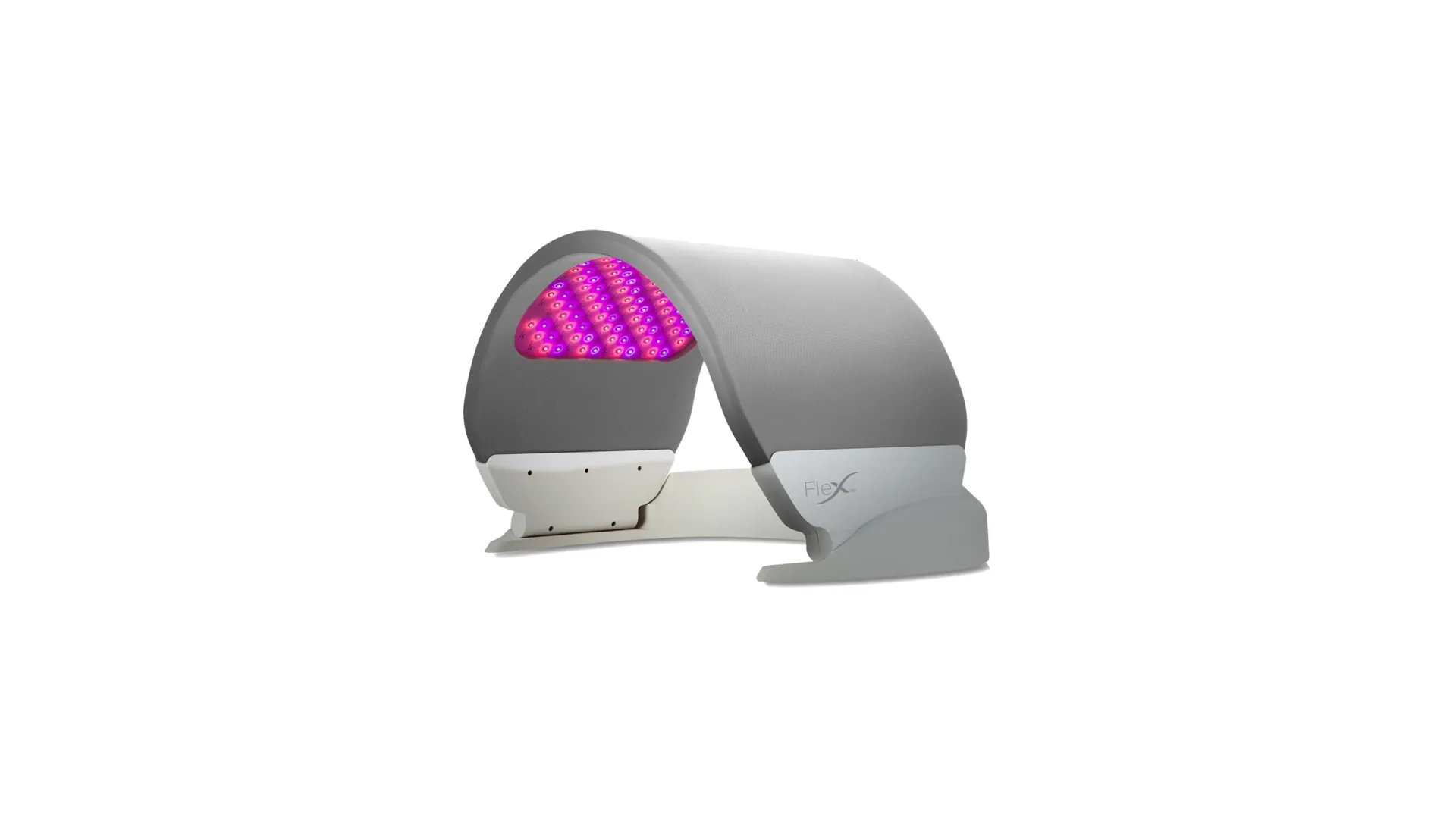
In the pursuit of radiant, healthy and youthful skin, LED phototherapy has become one of the best-evidenced and gentlest treatments in modern aesthetic medicine. At UniqSkin we use the Dermalux Flex MD — a medical-grade, CE-certified and FDA-cleared device — which delivers the three most studied wavelengths of light, individually or simultaneously, to address the specific needs of your skin.
What is LED phototherapy?
LED (Light Emitting Diode) phototherapy exposes the skin to specific wavelengths of low-intensity visible and infrared light. Unlike lasers, LED light is non-thermal and does not damage tissue: rather than burning or ablating, it activates the skin’s natural cellular processes.
Each wavelength (colour) penetrates to a different depth and is absorbed by different photoreceptor molecules (chromophores) inside the cells, triggering a cascade of biological responses. This principle is known as photobiomodulation.
How it works: the science of photobiomodulation
When light of the right frequency reaches the skin cells, it is absorbed by an enzyme in the mitochondria called cytochrome c oxidase. Mitochondria are the cell’s “power plants”, and this absorption triggers a series of beneficial effects (Avci et al., 2013; Hamblin, 2017):
- Increased ATP production — that is, more cellular energy, meaning more active and efficient cells.
- Stimulation of fibroblasts to synthesise more collagen and elastin, the proteins that give skin its firmness and elasticity.
- Reduced oxidative stress and regulation of inflammatory pathways.
- Improved microcirculation and tissue oxygenation.
The result is skin that functions, repairs and renews itself more effectively — from the inside out.
The three Dermalux wavelengths
The Dermalux Flex MD delivers the three most clinically evidenced wavelengths, which can be used on their own or in combination for a tailored treatment:
- Blue light — 415 nm: Has an antibacterial action, targeting Cutibacterium acnes (formerly P. acnes), the bacterium implicated in acne. It reduces inflammatory lesions and helps control oiliness.
- Red light — 633 nm: The “gold standard” of rejuvenation. It stimulates collagen and elastin, reduces redness and fine lines, and enhances overall radiance and skin texture.
- Near-Infrared light — 830 nm: Penetrates deeper into the tissue. It has powerful anti-inflammatory and wound-healing effects, speeds up recovery and amplifies the results of red light when used together.
Research shows that combining red (633 nm) and near-infrared (830 nm) light produces significantly greater wrinkle improvement than either wavelength alone (Russell et al., 2005). One of the great advantages of Dermalux is precisely this ability to deliver all three wavelengths simultaneously.
What Dermalux phototherapy treats
Thanks to the versatility of its wavelengths, LED phototherapy is one of the most multi-purpose treatments we offer. It is indicated for:
- Signs of aging: fine lines, wrinkles, laxity and loss of radiance.
- Acne: active inflammatory lesions and prevention of new breakouts.
- Rosacea & redness: soothing sensitive, irritated skin.
- Dyschromias & uneven tone: improving brightness and balancing colour.
- Healing & recovery: faster healing and less redness after invasive treatments.
- Sensitive & dehydrated skin: strengthening the barrier and boosting hydration.
What the science says
LED phototherapy is one of the most extensively studied aesthetic treatments, backed by decades of clinical research:
- In a randomized, placebo-controlled, double-blind study, LED phototherapy produced objectively measurable reductions in wrinkles and increases in skin elasticity, with histologically confirmed increases in collagen and elastic fibres (Lee et al., 2007).
- In a controlled study of 136 volunteers, treatment with red and near-infrared light significantly improved skin texture, fine lines and intradermal collagen density compared with the control group (Wunsch & Matuschka, 2014).
- In acne, phototherapy with blue and red light achieved a mean 76% reduction in inflammatory lesions after 12 weeks of treatment (Papageorgiou et al., 2000).
What to expect from a treatment
- Duration: Each session lasts about 20–30 minutes. You simply lie comfortably beneath the LED panel — the experience is relaxing and pain-free.
- Sensation: There is no pain, heat or discomfort. No anaesthesia is required.
- Protocol: Results are cumulative. For optimal results an initial course of sessions is usually recommended (e.g. 1–2 times a week for a few weeks), followed by maintenance sessions. The exact protocol is tailored to the indication.
- Downtime: None. You can return to your activities immediately and apply make-up the same day.
Combining with other treatments
One of the biggest advantages of LED phototherapy is that it works beautifully as a complementary treatment. At UniqSkin we frequently combine it with:
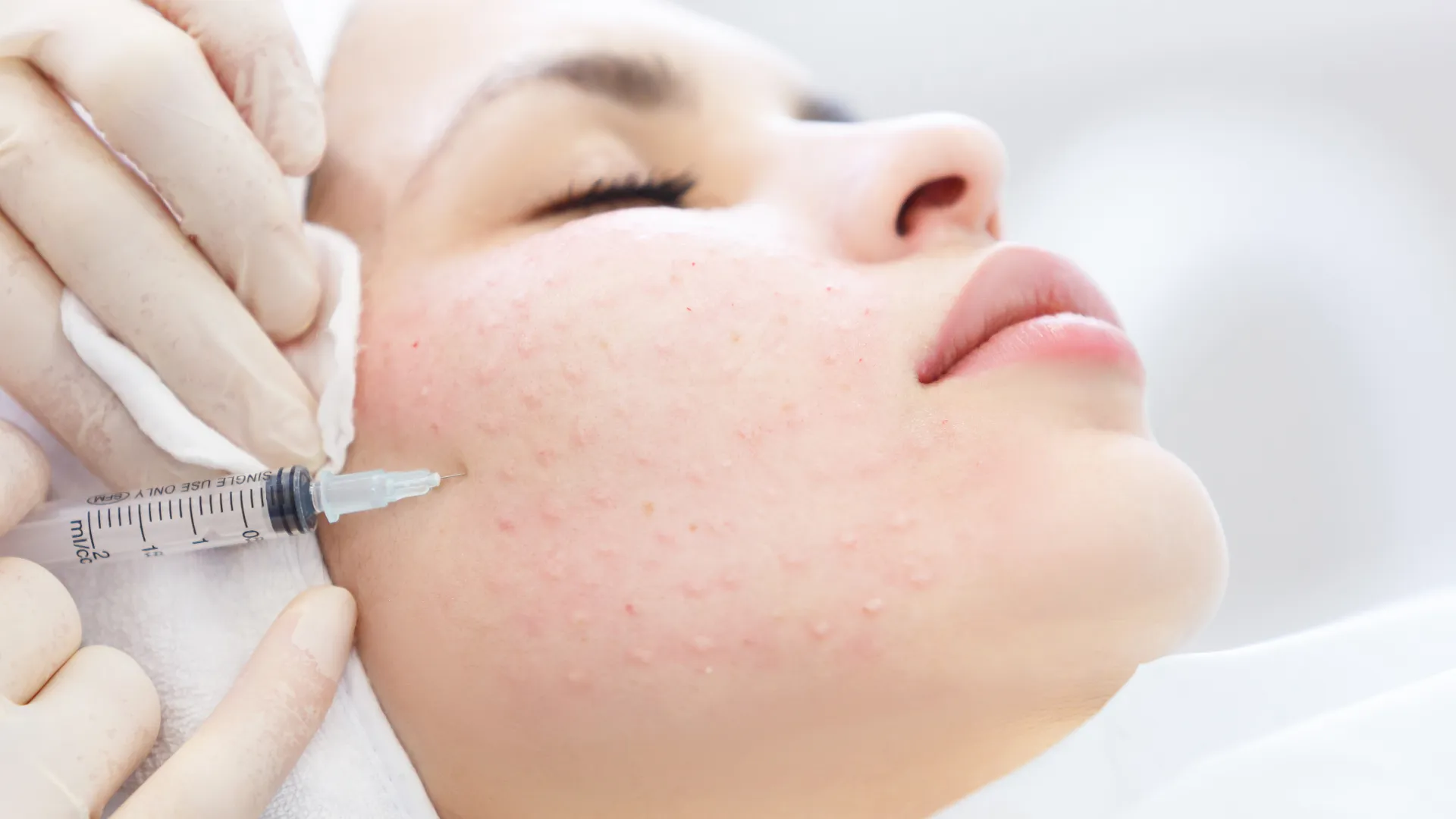
- Microneedling with Dermapen or mesotherapy, to amplify collagen stimulation.
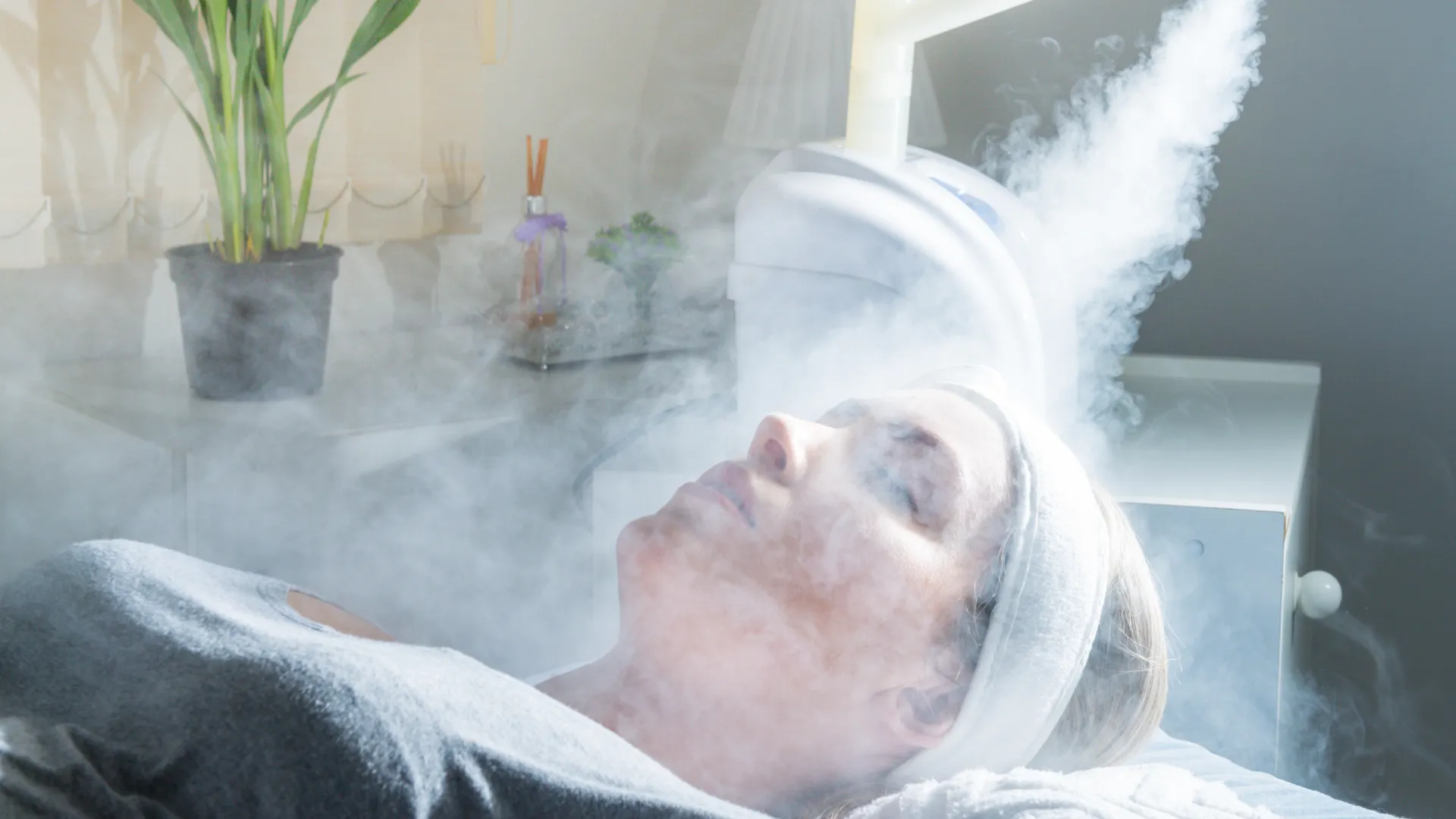
- Deep facial cleansing, for a complete, radiant result.
- Fractional Laser CO2 and other invasive treatments, as a recovery phase that reduces redness and speeds up healing.
Safety
LED phototherapy has an excellent safety profile. It is non-invasive, non-thermal and contains no ultraviolet (UV) radiation, so it does not damage the skin or increase the risk of photo-aging. It is suitable for all phototypes and skin types, including sensitive skin. As with any treatment, a medical assessment always comes first; in rare cases (e.g. photosensitivity, use of photosensitising medication or certain medical conditions) treatment may be contraindicated.
Frequently Asked Questions
-
Does the treatment hurt?
No. LED phototherapy is completely painless and relaxing. There is no heat or discomfort, and no downtime is required.
-
When will I see results?
Many people notice brighter, refreshed skin straight after the very first session. However, results are cumulative: improvements in collagen, acne or redness become more noticeable after a course of sessions.
-
Is it safe for every skin type?
Yes. Unlike some lasers, LED phototherapy is safe for all phototypes because it does not target melanin and produces no heat.
-
How is it different from a laser?
A laser uses a concentrated, high-energy beam that causes controlled tissue damage to trigger repair. LED uses low-intensity light that activates cells without heat or damage — which is why it has no downtime.
References
- Lee SY, Park KH, Choi JW, et al. A prospective, randomized, placebo-controlled, double-blinded, and split-face clinical study on LED phototherapy for skin rejuvenation. J Photochem Photobiol B. 2007;88(1):51-67. doi:10.1016/j.jphotobiol.2007.04.008
- Wunsch A, Matuschka K. A controlled trial to determine the efficacy of red and near-infrared light treatment in patient satisfaction, reduction of fine lines, wrinkles, skin roughness, and intradermal collagen density increase. Photomed Laser Surg. 2014;32(2):93-100. doi:10.1089/pho.2013.3616
- Russell BA, Kellett N, Reilly LR. A study to determine the efficacy of combination LED light therapy (633 nm and 830 nm) in facial skin rejuvenation. J Cosmet Laser Ther. 2005;7(3-4):196-200. doi:10.1080/14764170500370059
- Papageorgiou P, Katsambas A, Chu A. Phototherapy with blue (415 nm) and red (660 nm) light in the treatment of acne vulgaris. Br J Dermatol. 2000;142(5):973-978. doi:10.1046/j.1365-2133.2000.03481.x
- Avci P, Gupta A, Sadasivam M, et al. Low-level laser (light) therapy (LLLT) in skin: stimulating, healing, restoring. Semin Cutan Med Surg. 2013;32(1):41-52.
- Hamblin MR. Mechanisms and applications of the anti-inflammatory effects of photobiomodulation. AIMS Biophys. 2017;4(3):337-361. doi:10.3934/biophy.2017.3.337
Conclusion
Dermalux LED phototherapy offers a scientifically grounded, gentle and highly versatile way to care for your skin — whether your goal is anti-aging, acne control, calming redness or simply a brighter complexion. At UniqSkin we design a personalised protocol, on its own or combined with other treatments, to harness the full power of light for your skin.